
tinted window glass for house
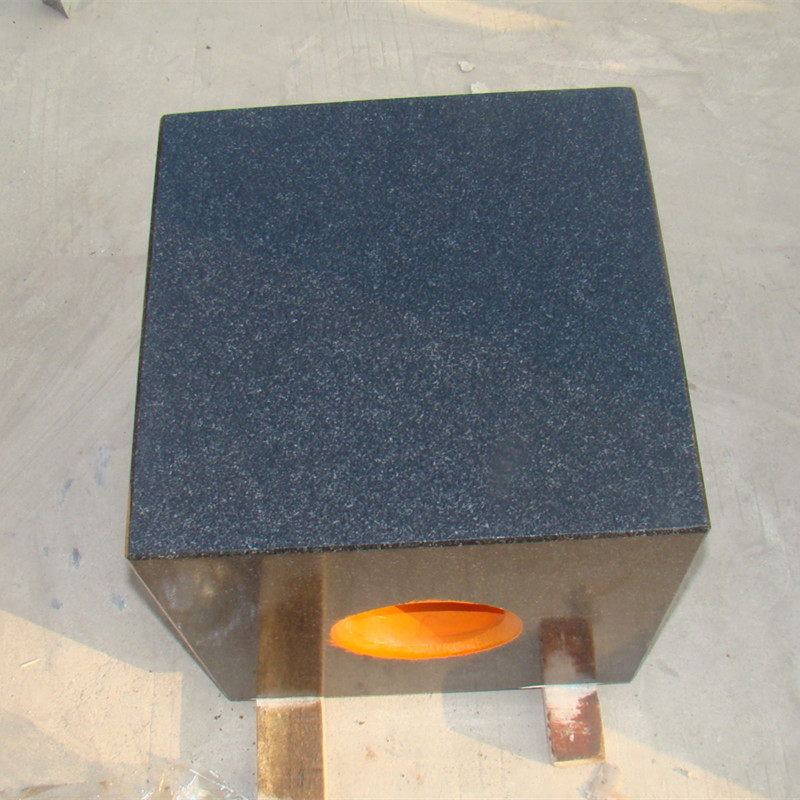
Introduction to Precision Metrology with Granite Square Rulers In the demanding world of precision manufacturing and quality control, the accuracy of measurement tools is paramount. Among these, the granite square ruler stands as an indispensable instrument. Engineered for unparalleled dimensional stability and accuracy, these precision squares are critical for verifying the perpendicularity and straightness of components, machine tools, and intricate assemblies. Unlike conventional steel squares, granite offers inherent advantages such as superior thermal stability, anti-corrosion properties, and exceptional vibration damping, making it the material of choice for high-precision metrology applications. This article delves into the technical intricacies, application versatility, and the strategic importance of integrating advanced granite measuring tools into modern industrial processes, emphasizing their role in ensuring product integrity and operational efficiency. The Meticulous Process Flow of Manufacturing a Granite Square Ruler The creation of a high-precision granite square ruler is a multi-stage, highly specialized manufacturing process that demands extreme precision and expert craftsmanship. The material of choice is typically black granite, specifically diorite, gabbro, or dolerite, renowned for its dense, fine-grained structure, low porosity, and excellent physical properties. Manufacturing Steps: Material Selection & Rough Cutting: Large blocks of carefully selected natural black granite are initially extracted from quarries. These blocks undergo an initial rough cutting using diamond wire saws or gang saws to approximate the required dimensions of the granite square ruler , ensuring optimal grain orientation for structural integrity. Stress Relieving: The cut granite blanks are allowed to "age" or undergo natural stress relief over extended periods (often months). This passive process allows any inherent stresses within the stone to dissipate, preventing future dimensional instability and ensuring long-term precision. Precision Grinding: Advanced CNC grinding machines equipped with diamond abrasive wheels are used for the first stage of precision shaping. This step brings the surfaces closer to their final dimensions and removes initial irregularities, establishing the fundamental geometric form. Lapping & Fine Grinding: Subsequent stages involve finer lapping processes using progressively smaller diamond grits. This removes microscopic surface imperfections and begins to establish the crucial flatness and perpendicularity. This stage is critical for achieving initial accuracy. Hand Scraping (Finishing): This is the most critical and skill-intensive stage. Highly trained metrology technicians perform meticulous hand scraping, using bluing compounds and reference masters to incrementally remove material until the required flatness and perpendicularity are achieved. This iterative process relies on interference patterns visible under monochromatic light (e.g., using an optical flat) to identify and correct deviations measured in micrometers. Calibration & Certification: The finished granite square ruler undergoes rigorous final inspection and calibration in a temperature-controlled metrology lab. Measurements are taken against master reference standards to verify flatness, perpendicularity, and parallelism according to international standards such as ISO 2768, DIN 876/875, or ASME B89.3.1. A calibration certificate is issued upon compliance. Packaging: The precision instrument is carefully cleaned, often oiled to prevent environmental contaminants, and then securely packaged in protective crates for transport. This stringent process ensures an exceptional service life, often extending decades, with minimal wear or degradation, providing a stable metrological foundation. The target industries benefiting from this level of precision include aerospace, automotive, machine tool manufacturing, petrochemical, metallurgy, and advanced electronics fabrication, where exact alignment and squareness are non-negotiable for product performance and safety. Figure 1: Precision manufacturing of granite square ruler. Evolving Industry Trends in Precision Metrology The landscape of industrial metrology is continuously evolving, driven by advancements in automation, digitalization, and the increasing demand for tighter tolerances across all manufacturing sectors. Despite the emergence of highly sophisticated digital measurement systems and laser trackers, foundational tools like the granite square ruler maintain their critical role, often serving as the primary reference for calibrating these advanced systems. Key Trends Impacting Precision Measurement: Increased Demand for Sub-Micron Accuracy: Industries like aerospace, semiconductor manufacturing, and medical devices require precision levels that push the boundaries of conventional measurement. This necessitates superior stability from reference tools. Integration with Digital Systems: While the granite square is a passive tool, its role in qualifying the work envelopes of CMMs (Coordinate Measuring Machines) and other digital inspection systems is expanding. This ensures the digital readings are founded on a geometrically perfect physical reference. Advanced Material Science: Research continues into optimizing granite properties and finishing techniques to further enhance thermal stability and wear resistance, prolonging the life and accuracy of tools like the granite square ruler . Traceability and Certification: Global manufacturing demands rigorous traceability. The emphasis on ISO, ANSI, and DIN certified calibration processes for all precision instruments, including the granite square ruler , is stronger than ever. Tools like a general `level ruler` or an `inspection ruler` are useful for general alignment, but for absolute perpendicularity and precision squareness, a dedicated granite square ruler is indispensable. Similarly, while a `welding inspection ruler` might verify angles in fabricated structures, a granite square provides the unassailable reference for the highest accuracy requirements. The evolution towards greater precision reinforces the enduring value of these fundamental metrology standards. Figure 2: Advanced manufacturing relies on precise calibration with tools like granite squares. Technical Specifications and Parameters of Granite Square Rulers The performance of a granite square ruler is defined by a set of critical technical specifications that ensure its reliability in precision measurement tasks. Understanding these parameters is vital for selecting the appropriate instrument for specific applications. Key Structural and Performance Parameters: Material Composition: Typically fine-grained black granite (diorite, gabbro), with a density ranging from 2.9 to 3.1 g/cm³. This high density contributes to excellent rigidity and vibration damping. Coefficient of Thermal Expansion (CTE): Exceptionally low, typically between 3.0 x 10 -6 to 6.5 x 10 -6 per °C. This minimal thermal expansion ensures dimensional stability across varying ambient temperatures, unlike steel which expands significantly more. Hardness: Mohs scale hardness of 6-7, ensuring superior wear resistance and durability against abrasion. Accuracy Grades: Manufactured to stringent international standards (e.g., DIN 875, ASME B89.3.1) in various grades: Grade 00: For master laboratories, typically 0.00005" (1.25 µm) or less deviation per 24" (600mm). Grade 0: For high-precision inspection rooms, typically 0.0001" (2.5 µm) or less deviation per 24" (600mm). Grade 1: For general quality control and shop floor inspection, typically 0.0002" (5 µm) or less deviation per 24" (600mm). Flatness and Perpendicularity: Measured in micrometers, guaranteeing the precision of the working surfaces and the absolute squareness of the adjacent faces. Surface Finish: Typically a fine matte finish achieved through lapping, designed to minimize glare and facilitate clear contact with inspected parts. Typical Product Specifications for Granite Square Rulers: Dimension (Height x Width) Base Thickness Rib Thickness Approx. Weight Accuracy Grade 00 (Perpendicularity) 250mm x 250mm (10" x 10") 50mm (2") 40mm (1.6") 15 kg (33 lbs) 1.5 µm 400mm x 400mm (16" x 16") 60mm (2.4") 50mm (2") 45 kg (99 lbs) 2.0 µm 630mm x 630mm (25" x 25") 80mm (3.1") 60mm (2.4") 75 kg (165 lbs) 2.5 µm 1000mm x 1000mm (40" x 40") 100mm (4") 80mm (3.1") 200 kg (440 lbs) 3.5 µm Table 1: Representative specifications for various sizes of granite square rulers (Grade 00). It's important to distinguish the precision of a granite square ruler from simpler tools like a `24 inch level with ruler`. While the latter provides basic linear measurement and leveling capabilities for construction or woodworking, a granite square offers certified micro-level accuracy essential for calibrating machine tools or inspecting critical components in aerospace and defense. Figure 3: Close-up of a precision granite square ruler during inspection. Versatile Application Scenarios for Granite Square Rulers The robust accuracy and stability of the granite square ruler make it indispensable across a multitude of industrial application scenarios, particularly where perpendicularity and straightness are critical for operational integrity and product quality. Typical Application Scenarios: Machine Tool Calibration and Alignment: CNC machining centers, milling machines, lathes, and grinders require precise alignment of their axes. A granite square ruler is used to verify the squareness of machine columns, guideways, and worktables, ensuring that parts are machined with true right angles. This is paramount for preventing cumulative errors and achieving tight part tolerances. Fixture and Jig Inspection: Manufacturing fixtures and assembly jigs are the backbone of repeatable production. Regularly inspecting these tools for squareness and parallelism using a granite square ruler ensures they remain within specification, directly impacting the quality and consistency of the manufactured product. Component Squareness Verification: In industries like aerospace, automotive, and heavy machinery, individual components such as engine blocks, gear housings, or turbine blades require exact squareness of mating surfaces. The granite square provides a reliable reference for direct measurement or for setting up dial indicators. Metrology Lab Reference Standard: In calibration laboratories, these rulers serve as master reference standards for checking the accuracy of other precision squares, optical comparators, and even CMMs. Their inherent stability makes them ideal for maintaining traceability to national standards. Assembly Verification: During the assembly of complex mechanical systems, ensuring that components are assembled at precise right angles prevents stresses, misalignments, and premature wear, ultimately extending service life and enhancing energy efficiency in operations. For example, in the petrochemical industry, verifying the squareness of flange faces or structural supports with a precision `inspection ruler` or a granite square ruler is critical for leak-free operations and structural integrity. Similarly, for applications involving `welding inspection ruler` checks, a granite square provides the ultimate benchmark for the squareness of fabricated frames or enclosures, preventing costly rework and ensuring adherence to design specifications. Figure 4: A granite square ruler in use for precision component inspection. Technical Advantages of Granite Square Rulers The choice of granite over alternative materials like steel for precision measuring instruments is predicated on several inherent technical advantages that significantly enhance accuracy, durability, and operational efficiency. Superior Advantages: Exceptional Thermal Stability: Granite possesses an extremely low coefficient of thermal expansion, typically 1/10th that of steel. This means a granite square ruler maintains its dimensional accuracy across a broader range of temperature fluctuations, minimizing measurement errors caused by thermal expansion or contraction. This property is crucial in environments where temperature control might be challenging. Non-Corrosive and Rust-Proof: Unlike steel, granite does not rust or corrode. This eliminates concerns about degradation from moisture, oils, or harsh industrial coolants, ensuring the long-term integrity of the measuring surface and reducing maintenance requirements. Non-Magnetic: Granite is naturally non-magnetic. This eliminates magnetic interference that can distort readings when working with magnetic materials or in environments with electromagnetic fields, making it ideal for sensitive applications. High Rigidity and Vibration Damping: The dense, fine-grained structure of black granite provides exceptional rigidity and natural vibration damping properties. This reduces the transmission of shop floor vibrations, leading to more stable and accurate measurements, especially during dynamic inspection processes. Low Maintenance and Wear Resistance: The extreme hardness of granite (Mohs 6-7) makes it highly resistant to wear and abrasion, especially from repeated sliding of parts or gauges. Unlike metal surfaces that can burr or deform, granite tends to lap small particles into its surface rather than developing raised edges, thus maintaining its flatness and squareness over a longer period. Absence of Wringing Action: Granite surfaces, when finely lapped, do not exhibit the "wringing" action common with highly polished metallic surfaces. This ensures that gauges and components can be moved freely across the surface without sticking, facilitating faster and more efficient inspection. These combined advantages underscore why the granite square ruler remains the industry standard for precision perpendicularity and straightness verification, surpassing the capabilities of other `level ruler` or `inspection ruler` types when micro-level accuracy is required. Figure 5: Inspecting a component for perpendicularity with a granite square. Vendor Comparison and Selection Criteria Choosing the right supplier for a granite square ruler is a strategic decision that impacts the reliability and long-term cost-effectiveness of your metrology operations. Factors beyond just the initial price must be carefully considered by B2B decision-makers and engineers. Key Criteria for Vendor Selection: Accuracy Certification and Traceability: Ensure the vendor provides internationally recognized calibration certificates (e.g., ISO 17025 accredited) traceable to national standards. This guarantees the declared accuracy. Material Quality and Sourcing: Inquire about the origin and type of granite used. High-quality black granite from specific quarries (e.g., Jinan Black) is preferred for its superior properties. Manufacturing Expertise: Look for vendors with decades of experience in precision granite fabrication, evidenced by their process control and skilled labor, particularly in hand-scraping techniques. Customization Capabilities: The ability to provide custom dimensions, hole patterns, threaded inserts, or special features is a significant advantage for specialized applications. Warranty and After-Sales Support: A robust warranty and readily available technical support, including re-calibration services, are crucial for long-term ownership. Lead Time and Logistics: Consider the vendor's ability to meet your delivery schedules, especially for custom or large orders, and their experience with international shipping. Comparative Analysis of Granite Square Ruler Vendors: Feature/Vendor Vendor A (Generic) Vendor B (Generic) STR Machinery (Example) Available Accuracy Grades Grade 0, 1 Grade 00, 0, 1 Grade 00, 0, 1 (Traceable) Material Origin Mixed Sourcing Specific Quarry (e.g., Indian Black) Premium Jinan Black Granite Customization Options Limited standard sizes Basic custom dimensions Extensive (dimensions, holes, inserts, geometry) Warranty & Support Standard 1 year, email support 1-3 years, phone/email support Comprehensive 5-year, dedicated technical support Avg. Lead Time (Std. Sizes) 4-6 weeks 3-5 weeks 2-4 weeks (expedited options available) Table 2: Comparative overview of granite square ruler suppliers. STR Machinery distinguishes itself through its commitment to sourcing the finest materials, employing time-honored hand-scraping techniques, and adhering to strict international calibration standards, ensuring that every granite square ruler delivers certified, unwavering precision. Figure 6: A range of precision granite instruments in a metrology lab. Customized Solutions for Specialized Applications While standard sizes of the granite square ruler cater to a broad range of metrology needs, many advanced manufacturing and research applications demand highly specialized solutions. STR Machinery offers extensive customization capabilities to precisely match unique operational requirements. Customization Options Include: Non-Standard Dimensions: Fabrication of granite squares in unique heights, widths, and thicknesses to fit specific machine envelopes or component sizes, far beyond what a typical `24 inch level with ruler` could offer. Integrated Features: Addition of precisely machined holes, threaded inserts (e.g., for mounting clamps, indicators, or fixtures), T-slots, or specific relief cuts to accommodate complex workpieces or measurement setups. Special Geometries: Custom angles or multi-faceted designs to serve very specific inspection or assembly tasks that require more than a simple 90-degree reference. Enhanced Accuracy Grades: For ultra-precision environments, capabilities to meet even tighter flatness and perpendicularity tolerances than standard Grade 00. The collaborative design process involves close consultation with our engineering team to understand the precise application requirements, ensuring the customized granite square ruler seamlessly integrates into the client's workflow and delivers optimal performance. Application Case Studies Case Study 1: Aerospace Component Assembly An aerospace manufacturer of turbine engine components faced persistent issues with cumulative geometric errors during the assembly of complex sub-modules. Conventional steel squares proved susceptible to thermal drift and inadequate for verifying the micro-level perpendicularity required for critical mating surfaces. By implementing a custom-designed, Grade 00 granite square ruler from STR Machinery, equipped with specific mounting inserts for a laser interferometer setup, they achieved unparalleled accuracy. The granite square provided a stable, thermally impervious reference plane for calibrating their laser alignment system. This resulted in a 30% reduction in assembly rework, a significant decrease in inspection time, and enhanced the overall structural integrity of the final engine components, directly impacting flight safety and fuel efficiency. Case Study 2: High-Precision Machine Tool Verification A leading producer of high-precision CNC machining centers required a more robust method for validating the perpendicularity of their machine's axes and the squareness of their worktables before final delivery. Relying on their existing `inspection ruler` or less stable alternatives led to occasional customer complaints about part squareness. They adopted a large-format granite square ruler (1000mm x 1000mm) as their primary in-house calibration standard. The granite's inherent vibration damping allowed for more stable measurements with electronic levels and auto-collimators, even on the shop floor. Within six months, they reported a 15% improvement in final machine geometric accuracy ratings and a marked reduction in post-delivery service calls related to alignment issues, reinforcing their reputation for manufacturing top-tier equipment. Figure 7: A large granite square ruler used in a manufacturing environment. Frequently Asked Questions (FAQ) Q1: How does a granite square ruler maintain its accuracy over time? A1: Granite's extremely low coefficient of thermal expansion, high dimensional stability due to natural stress relief, and exceptional wear resistance (it powders rather than burrs) ensure that its precision geometry is maintained for decades under proper care and use, significantly outperforming metallic alternatives. Q2: What is the recommended cleaning and maintenance for a granite square? A2: Clean the surface with a non-abrasive, lint-free cloth and a specialized granite cleaner or denatured alcohol. Avoid harsh chemicals. Regular checks for nicks or scratches are recommended, and periodic professional re-calibration (typically every 1-3 years depending on usage and grade) is essential to maintain certified accuracy. Q3: Can a granite square ruler be repaired or re-calibrated if damaged or worn? A3: Yes, minor surface wear or slight damage can often be repaired through re-lapping and hand scraping by experienced metrology technicians. This re-establishes the original flatness and perpendicularity, followed by re-calibration and re-certification. Q4: What is the difference between Grade 00 and Grade 0 for a granite square ruler ? A4: Grade 00 offers the highest level of precision, typically used as master reference standards in metrology laboratories. Grade 0 is also high-precision, suitable for inspection rooms and critical quality control applications, with slightly larger but still very tight tolerances. The choice depends on the required measurement uncertainty of your application. Lead Time, Warranty, and Customer Support Lead Time & Fulfillment: Standard sized granite square ruler orders typically have a lead time of 2-4 weeks, subject to current production schedules and material availability. Customized solutions or larger, more complex orders may require 6-10 weeks. Expedited manufacturing and shipping options are available upon request to meet urgent project timelines. Our logistics team works diligently to ensure secure and timely delivery to your specified location worldwide, understanding the importance of minimizing downtime for your operations. Warranty Commitments: STR Machinery stands behind the quality and precision of every granite square ruler with a comprehensive 5-year warranty against manufacturing defects in material and workmanship. This warranty covers the integrity of the granite and the accuracy of its specified geometry under normal operating conditions. It does not cover damage resulting from misuse, improper handling, or unauthorized modification. Detailed warranty terms and conditions are provided with each purchase. Dedicated Customer Support: Our commitment extends beyond delivery. STR Machinery offers dedicated technical support to assist with product selection, application guidance, maintenance advice, and troubleshooting. Our team of metrology experts is available via phone and email during business hours to ensure you derive maximum value from your investment. We also provide comprehensive re-calibration and repair services to maintain the certified accuracy of your granite precision instruments throughout their extensive service life. Citations ISO. (n.d.). ISO 2768-1: Tolerances for linear and angular dimensions without individual tolerance indications. International Organization for Standardization. ASME. (n.d.). ASME B89.3.1-2019: Measurement of Plain Mechanical Workpieces. American Society of Mechanical Engineers. DIN. (n.d.). DIN 875: Geometrical Product Specifications (GPS) - Flatness. Deutsches Institut für Normung. National Institute of Standards and Technology. (n.d.). Precision Measurement. NIST.gov.
about
tinted window glass for house
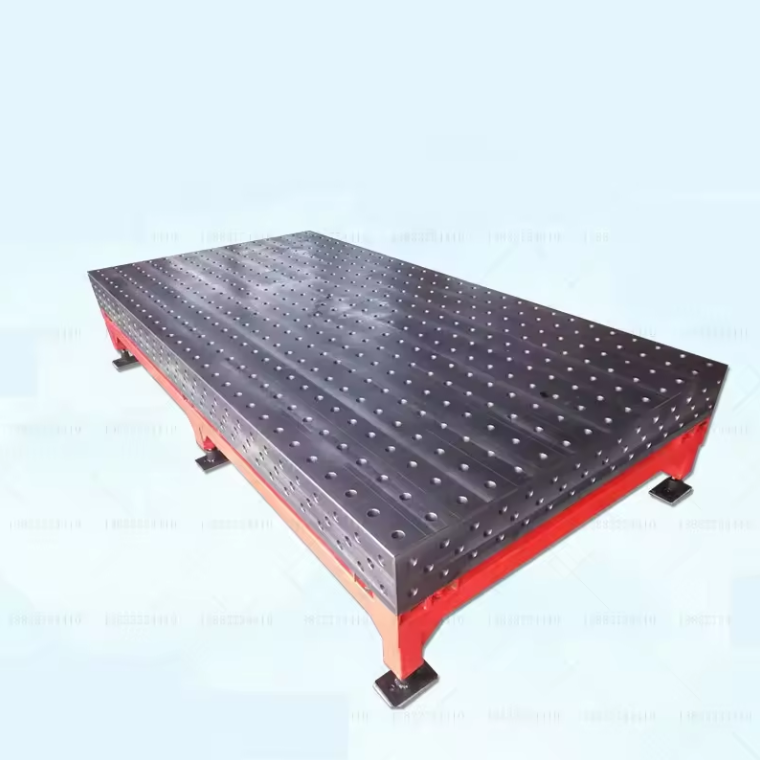
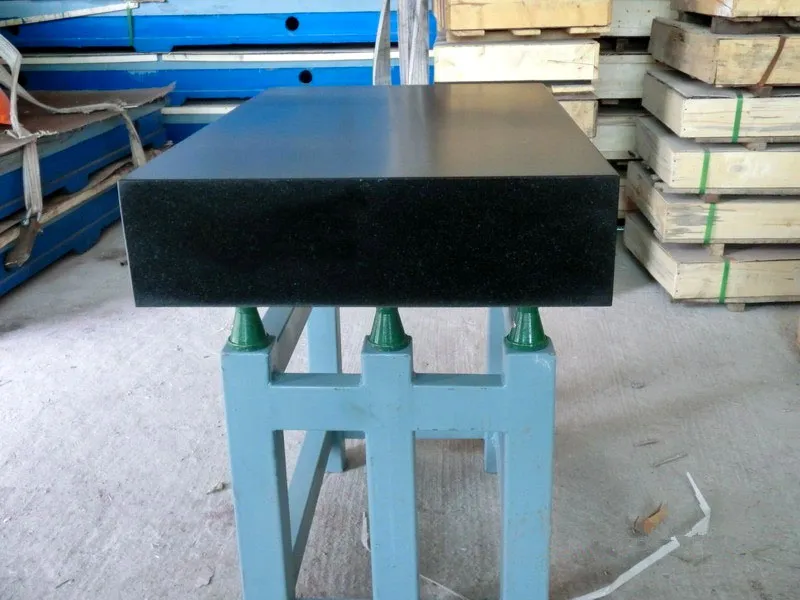
In today's world, where precision and accuracy are crucial in various industries, the use of granite inspection tables and granite surface plates has become increasingly popular. These tools offer unparalleled precision and reliability, making them indispensable in industries such as manufacturing, construction, and laboratories. From ensuring parts meet strict tolerances to serving as stable bases for measurement tools, granite inspection table , granite surface plate for sale , and surface plate play vital roles in maintaining quality standards. In this article, we will explore their key features, applications, maintenance, and frequently asked questions, providing a comprehensive guide to these essential precision tools. Key Features of Granite Inspection Table in Precision Measurement Granite inspection table stands as a cornerstone of precision measurement, valued for its unique material properties that make it ideal for high-accuracy tasks. Crafted from high-quality granite—often black granite or gray granite—these tables are engineered to deliver exceptional flatness, stability, and durability, setting them apart from other surface options. One of the defining features of a granite inspection table is its superior flatness. Granite, formed over millions of years, has a dense, homogeneous structure that resists warping or deformation, even under temperature changes or heavy loads. This stability ensures that measurements taken on the table are consistent, as the surface remains true over time. Additionally, granite is non-magnetic, non-conductive, and resistant to corrosion, making it suitable for use with sensitive instruments like dial gauges, micrometers, or coordinate measuring machines that could be affected by magnetic interference. Granite inspection table also boasts low porosity, which means it resists absorption of liquids or oils—critical for maintaining a clean surface free from stains or contamination. Its smooth, polished finish minimizes friction, allowing tools to glide easily during measurements without scratching the surface. These features combined make granite inspection table an essential tool in metrology labs, manufacturing facilities, and quality control departments where precision is non-negotiable. Why Granite Surface Plate for Sale is a Top Choice for Industries Granite surface plate for sale has become a preferred option for industries seeking reliable, high-performance surface solutions for inspection, tool setup, and manufacturing processes. These plates, available for purchase in various sizes and specifications, cater to diverse industrial needs while upholding the quality standards that granite is known for. One of the primary reasons granite surface plate for sale is in high demand is its adaptability to different applications. Whether for small-scale workshops or large manufacturing plants, suppliers offer plates in sizes ranging from compact bench top models to large floor-mounted units, ensuring there’s a fit for every workspace. Many granite surface plate for sale options also come with customization features, such as drilled holes for fixture mounting or specialized finishes for specific measurement tasks, enhancing their versatility. Beyond availability, granite surface plate for sale delivers long-term value due to granite’s inherent durability. Unlike metal or wooden surfaces that may wear, dent, or warp over time, granite surface plates resist wear from repeated use, maintaining their flatness and precision for years. This longevity reduces replacement costs, making them a cost-effective investment for businesses. For industries like aerospace, automotive, and engineering, where consistent quality control is critical, granite surface plate for sale provides the reliability needed to meet strict regulatory and operational standards. The Versatile Applications of Surface Plate Across Sectors Surface plate is a versatile tool with applications spanning multiple industries, serving as a reference surface for precision measurement, inspection, and tool calibration. While granite is a common material for surface plates, the term encompasses all flat, stable surfaces designed to ensure accuracy in various tasks, making it indispensable across sectors. In manufacturing, surface plate is used to inspect parts for dimensional accuracy. Workers place components on the plate and use tools like height gauges or dial indicators to measure deviations from specifications, ensuring parts fit together correctly in final assemblies. In toolrooms, surface plate serves as a stable base for setting up machinery, such as lathes or milling machines, ensuring tools are aligned precisely to avoid errors in production. Aerospace and defense industries rely heavily on surface plate for inspecting critical components like engine parts or aircraft fittings, where even minor discrepancies can compromise safety. Metrology labs use high-precision surface plates as reference standards for calibrating measuring instruments, ensuring that tools themselves are accurate. Beyond industrial settings, surface plate finds use in educational institutions for training students in precision measurement techniques, highlighting its role in fostering skills for future engineers and technicians. Its adaptability to diverse tasks solidifies surface plate as a foundational tool in any field requiring accuracy. How to Maintain and Care for Granite Inspection Table for Longevity Proper maintenance is key to preserving the precision and lifespan of a granite inspection table . While granite is durable, neglect can lead to scratches, stains, or loss of flatness, compromising its effectiveness. By following these simple care practices, users can ensure their granite inspection table remains reliable for years: Regular Cleaning : Wipe the surface daily with a soft, lint-free cloth to remove dust, debris, or fingerprints. For tougher stains, use a mild detergent mixed with water, applied with a non-abrasive sponge. Avoid harsh chemicals (e.g., acids, solvents) that can etch or discolor the granite. Avoid Impact and Abrasion : Prevent dropping heavy objects or using sharp tools directly on the table, as this can cause chips or scratches. Use protective pads or mats when placing heavy components or tools. Control Environment : Store the granite inspection table in a temperature-stable area, away from direct sunlight, heaters, or air conditioners. Extreme temperature changes can cause minor expansion or contraction, affecting flatness over time. Periodic Calibration : Even with careful use, have the table’s flatness checked periodically by a professional. Calibration ensures that any minor deviations are identified and corrected, maintaining measurement accuracy. Cover When Not in Use : Use a dust cover or sheet when the table is not in use to protect it from dust, spills, or accidental damage. By incorporating these practices into regular maintenance routines, users can maximize the longevity and performance of their granite inspection table , ensuring it remains a trusted tool for precision measurement. FAQS a bout Granite Inspection Table, Granite Surface Plate for Sale, and Surface Plate What makes granite inspection table superior to metal surface tables for precision work? Granite inspection table outperforms metal tables due to granite’s inherent properties: it has low thermal expansion, meaning it remains stable across temperature changes, ensuring consistent measurements. Granite is also non-magnetic and non-conductive, avoiding interference with sensitive instruments. Its dense structure resists wear and scratches better than metal, maintaining flatness over time—critical for high-precision tasks where accuracy is paramount. How do I choose the right size when considering granite surface plate for sale? When selecting granite surface plate for sale , consider the size of the parts or tools you’ll inspect. A plate should be large enough to accommodate your largest component with room to maneuver measuring tools. For small parts, a benchtop plate may suffice; for large industrial components, opt for floor-mounted plates. Suppliers often offer custom sizes, so match the plate to your specific workflow needs. Can surface plate be made from materials other than granite, and how do they compare? Yes, surface plate can be made from cast iron or glass, but granite is preferred for most industrial uses. Cast iron plates are durable but prone to rust and magnetic interference. Glass plates offer good flatness but are fragile and less resistant to impact. Granite balances durability, stability, and non-reactivity, making it the top choice for applications requiring long-term precision and reliability. How often should a granite inspection table be calibrated to ensure accuracy? A granite inspection table should be calibrated at least once a year under normal use. For tables in heavy-use industrial settings or harsh environments, calibration every 6 months is recommended. Calibration checks for flatness deviations using precision instruments, ensuring the table meets original specifications. Regular calibration prevents measurement errors that could lead to faulty part inspections. Are granite surface plate for sale suitable for outdoor use or humid environments? Granite surface plate for sale is not ideal for outdoor use or extremely humid environments. While granite resists moisture, prolonged exposure to rain, snow, or high humidity can lead to mold growth or staining. Additionally, outdoor temperature fluctuations may affect flatness over time. These plates perform best indoors in climate-controlled spaces, where environmental conditions remain stable—ensuring their precision and longevity. Don’t compromise on precision—choose the reliability of our granite products. Contact us today to schedule a visit and experience the quality that makes us a trusted partner in precision measurement. Your success in quality control starts with the right tools, and we’re here to deliver.
-

High quality industrial productsagement

High quality industrial products
View Details -

Meet the diverse needs of customers

Meet the diverse needs of customers
View Details -

Strict quality control

Strict quality control
View Details -

Top raw materials

Top raw materials
View Details -

Trusted supplier

Trusted supplier
View Details
Our application
news and information
Using Ring Gauge for Precision Measurement in Quality Control Applications
ring gauge is used for checking .
Wholesale Solutions for Valves and Related Products in the Industry
Exploring Valve Wholesale An Overview In the world of industrial applications, valves play a crucial
Valve Selection Guide for Industrial Applications
As a leading wholesaler in industrial equipment, Storaen (Cangzhou) International Trading Co. unders
 English